
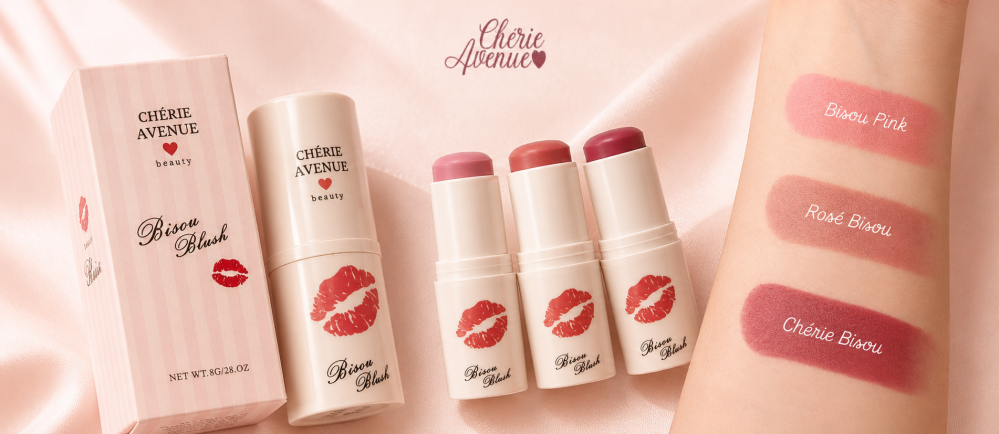
Walk into any beauty space and you'll find an entire wall of blush dozens of shades, dozens of formulas, and almost no guidance on how to connect any of them to the specific face you're standing there with. Blush colors should do one thing above everything else: make your skin look alive. Getting there requires understanding two things most women skip entirely: their skin tone and their undertone. Once you have that, choosing the right blush colour stops feeling like a gamble and starts feeling like a decision.
What Blush Color Is Right for You?
The honest answer is that what blush color is right for me is a question that can only be answered through genuine self-knowledge not through trend reports, not through what looks beautiful on someone else, and not through what the packaging suggests. The right blush color is the one that makes your specific complexion look healthier, warmer, and more three-dimensional than it does without it.
Two women can have the same surface complexion and need entirely different colours because the undertone beneath the surface is different, the way their skin absorbs color is different, and the impression they want to create is different. How to choose blush color correctly always begins with understanding these layers individually before making any product decision.
Why Your Skin Tone and Undertone Matter
Before discussing any specific recommendations, understanding the distinction between skin tone and undertone is essential because confusing the two is the root cause of most blush colour mistakes:
What Is Skin Tone?
Skin tone is the surface-level depth of your complexion the observable lightness or darkness of your skin as it appears to the eye. The standard classification runs from fair through light, medium, tan, and deep, with significant variation within each category. Blush color for skin tone recommendations based on this dimension account for how much pigment a complexion can absorb and make visible a fair skin tone will show a delicate blush that would completely disappear on a deeper complexion.
What Is Undertone?
Undertone is the subtle color that exists beneath your skin's surface the hue that influences how your complexion appears in different lighting and alongside different colors. The three primary undertone categories are warm (yellow, golden, peachy tones), cool (pink, red, blue tones), and neutral (a balance of warm and cool that suits the widest range of colors).
How to choose the right blush requires understanding both dimensions simultaneously because skin tone tells you how deep the color needs to be to show up beautifully, and undertone tells you which direction the color should sit in to look harmonious rather than at odds with your natural complexion.
Best Blush Colors for Every Skin Tone
Understanding best blushes for my skin tone across the full complexion spectrum helps identify which specific tone directions will genuinely flatter:
Fair Skin Tones
The lightest, most delicate options available a sheer wash of color that mimics the natural flush rather than adding visible product. Best blush for my skin tone at the fair end is always about subtlety: one light application that makes the skin look alive without making the blush itself visible as a product.
Light Skin Tones
Soft peach, light dusty rose, and pale mauve tones work consistently beautifully at this depth creating genuine color payoff without the risk of appearing overdone. What colour blush should I wear if my skin is light? Stay in the mid-range of any color family the most saturated versions of any shade will be too much, but the most sheer will disappear.
Medium Skin Tones
Warm corals, peachy mauves, and dusty roses all work at this depth with the right undertone match. What color blush should I use if my skin is medium? Focus more on undertone than depth the medium range is forgiving enough that getting undertone right is the more impactful decision.
Tan Skin Tones
Blush for golden undertones specifically should lean toward warm bronzy peaches and golden corals that complement rather than contrast with the natural warmth of the skin.
Deep Skin Tones
Best blush color for deep skin tones is almost always a deeper, more saturated version of whatever direction suits the undertone the depth of the complexion needs color that can genuinely be seen to create any visible effect.
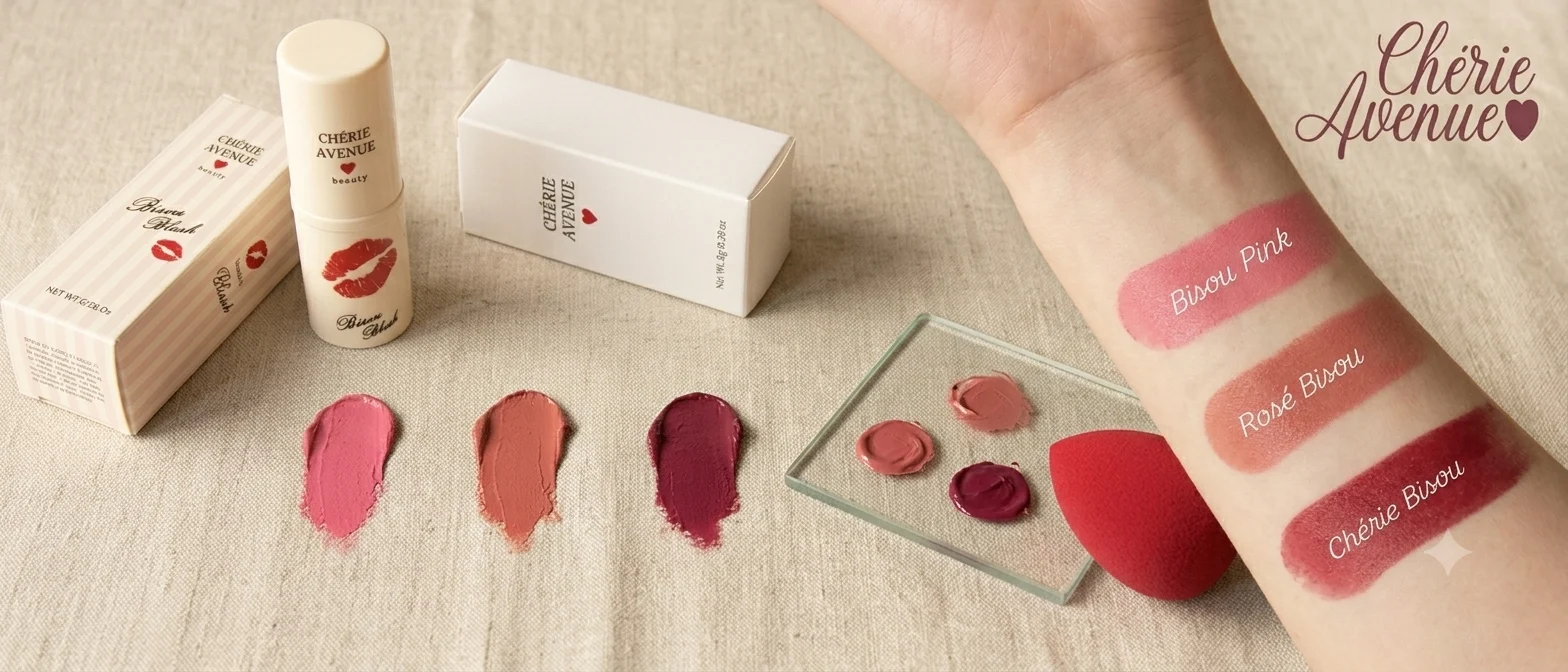
How to Choose Blush Shade by Undertone
Understanding what kind of blush should i wear based on undertone produces the most consistently flattering results regardless of skin depth:
Warm Undertones
Blush for yellow undertones specifically benefits from shades that mirror the golden warmth already present in the skin rather than introducing a contrasting coolness. works best when it feels like an extension of the skin's natural warmth rather than a separate color applied on top.
Cool Undertones
harmonize most naturally in the rose, berry, mauve, and cool pink families. Cool-undertoned complexions wearing warm blush colours can appear orange or muddy which is why what color blush is right for me when I have cool undertones always points toward pink-based rather than peach-based shades.
Neutral Undertones
Neutral-undertoned women have the freedom to experiment across the widest range of blush colour directions, which makes their buying decisions more creative but also potentially more confusing without a clear starting point. The practical recommendation: start with a true rose or soft terracotta both sit close enough to the neutral center to work reliably.
Blush Shades by Color Family
Understanding the major blush colour families and what each delivers helps clarify which blush colour suits me across different aesthetic directions:
Pink Family
The most classic of all ranging from the palest baby pink to the deepest hot pink. Cool pinks suit cool undertones; warmer pinks with peach or golden bases suit warm undertones. Pink blush tone options create the most traditional, feminine flush effect and are the most forgiving in terms of application easier to build gradually than deeper berry or coral shades.
Peach and Coral Family
The warmest of all blush colour directions peachy and coral shades add warmth, radiance, and a sun-kissed quality that purely pink shades don't achieve.
Color of blush in the peach-coral family suits warm and neutral undertones most naturally and works particularly beautifully as a perfect blush for my skin tone choice for medium to tan complexions with golden undertones. The challenge: coral shades can read orange if the undertone doesn't match which makes undertone awareness particularly important in this family.
Berry and Mauve Family
Best blush for yellow skin tone specifically tends to avoid this family since the cool, blue-leaning tones of berries can appear at odds with warm golden undertones. However, warm-toned mauves can work beautifully on neutral to warm undertones when the specific shade is chosen carefully.
Terracotta and Bronzed Family
Best blush for my skin tone in terracotta works most beautifully on medium to deep complexions with warm undertones, where the earthy warmth of the shade creates a genuinely natural-looking sun-kissed effect. Fair and cool-toned complexions generally find terracotta reads as orange rather than warm making undertone the decisive factor in whether this family works.
Common Blush Mistakes to Avoid
Understanding how to choose blush color correctly also means knowing what consistently goes wrong:
Choosing the wrong color direction
The most common and most visible blush colour mistake selecting a shade based on what looks beautiful in the pan or on someone else without considering undertone compatibility. A cool pink on a warm undertone, or a warm terracotta on a cool undertone, creates a result that looks slightly wrong in a way that's difficult to pinpoint.
Over-applying in a single pass
How to choose the right blush application technique always starts lighter than feels necessary and builds from there.
Ignoring undertone in favor of trend
Blush trends cycle through color families regularly but a trending blush colour that conflicts with your undertone will never look as good on you as a less fashionable shade that genuinely suits your complexion.
Which Cherie Avenue Blush Shade Is Right for You?
At Cherie Avenue, the blush collection is built around one foundational understanding. The best cream blush includes colours across the pink, peach-coral, berry-mauve families specifically to ensure that whether your undertone is warm, cool, or neutral, and whether your complexion is fair, medium, or deep, the right tone for your specific face is available.
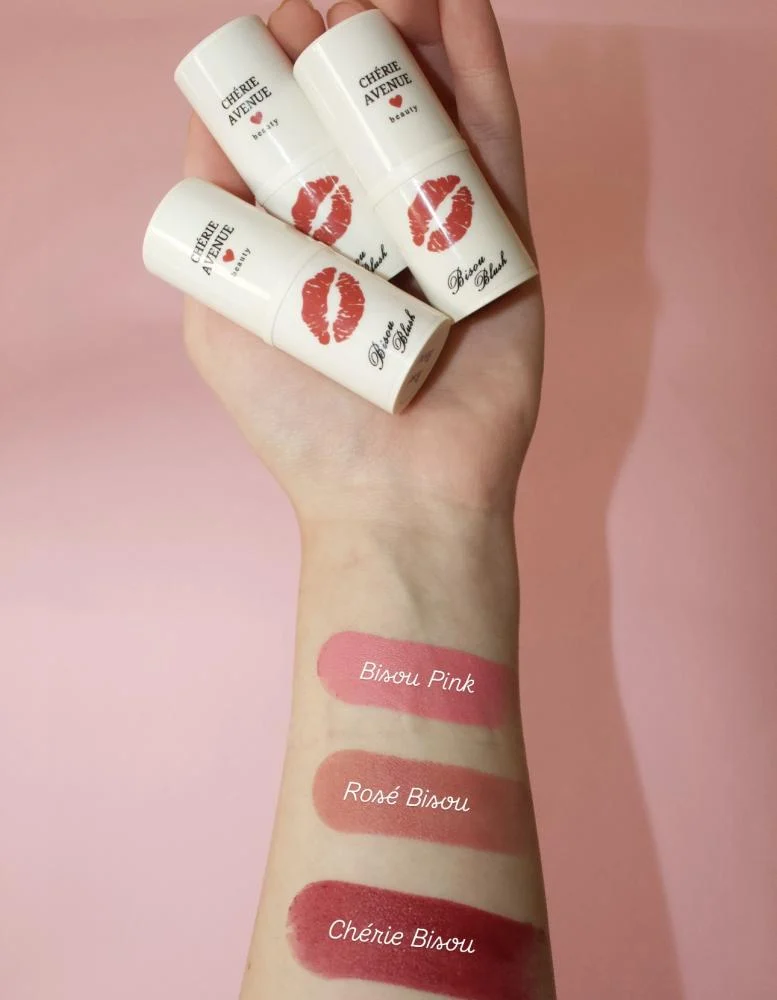
Each shade of Bisou Pink, Rosé Bisou, Chérie Bisou in the collection is chosen not simply because it looks beautiful in isolation but because it genuinely performs on skin delivering the natural-looking flush that makes blush selection meaningful rather than decorative.
For women who already know their undertone and complexion depth, the collection makes selection straightforward. For those who are still exploring how to choose the right blush, the range offers enough direction within each color family to make testing and discovery a genuinely enjoyable rather than overwhelming process. Try out our best seller creamy blush and snize the moment now.
People may ask about best Blush Colors
Here are straightforward answers to the most common questions about choosing the right Blush Colors and how to choose the right blush color:
What blush color is trending now?
Warm terracottas, soft mauves, and peachy corals are leading the current blush conversation shades that feel sun-kissed and naturally warm.
Can I mix blush shades?
Yes layering two complementary shades of Blush Colors from the same color family creates a more dimensional, personalized flush that often looks more natural and interesting than a single shade applied alone.
How do I choose a blush color if I have neutral undertones?
You have the most flexibility of any undertone category a true rose or soft terracotta are reliable starting points.
Should I match my blush color to my lipstick?
Complementary rather than identical is always the stronger approach shades from the same color family that work harmoniously together.
What color blush should I wear for warm or yellow undertones?
Peachy corals, warm golden pinks, and terracotta shades harmonize most naturally with warm and yellow undertones.
Blush colors done right don't announce themselves they simply make your face look better than it does without them. More alive, more three-dimensional, more naturally luminous in a way that foundation alone never quite achieves. The difference between a blush colour that looks like product and one that looks like you isn't technique alone it's starting with the right shade for your specific undertone and complexion depth. Shop at Cherie Avenue now and find the blush shade that makes your skin look exactly as beautiful as it actually is.